

What Is Vaginal pH?
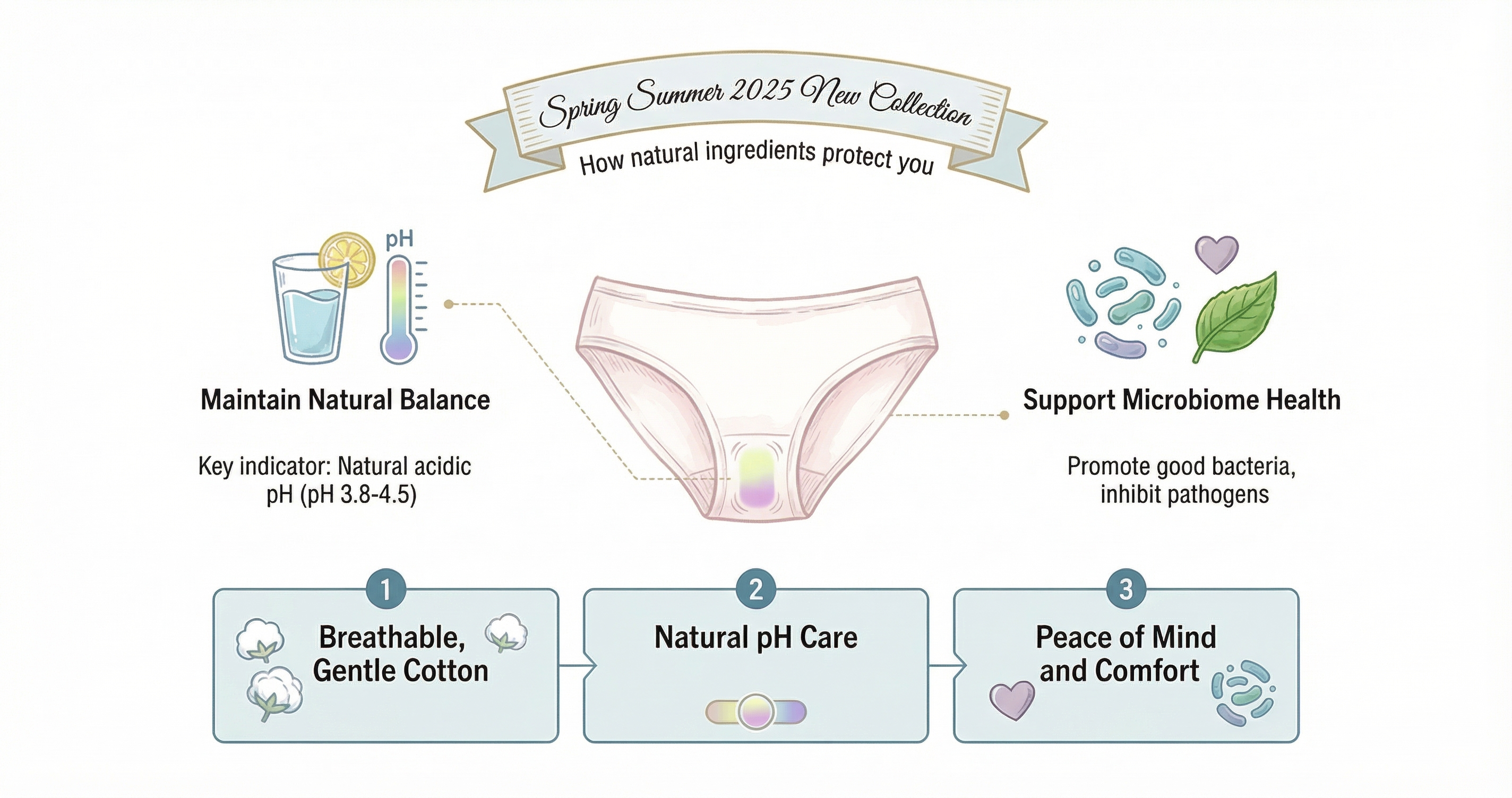
pH measures how acidic or alkaline a substance is on a scale of 0 to 14. Your vagina maintains an acidic environment, typically between 3.8 and 4.5. This acidity isn't a problem—it's actually protective.
"The acidic environment of a healthy vagina acts as a natural defense system. It inhibits the growth of harmful bacteria and yeast while supporting the beneficial lactobacilli that keep everything in balance."
— Dr. Emily Roberts, Women's Reproductive Health Specialist
Why Vaginal pH Balance Matters
When your vaginal pH is in the healthy range, good bacteria (primarily lactobacilli) thrive. These beneficial bacteria produce lactic acid from glycogen, which:
- Prevents harmful bacteria from multiplying
- Maintains the natural protective lining
- Supports your body's immune defense
- Reduces the risk of infections
When pH balance is disrupted, you become vulnerable to:
Bacterial Vaginosis (BV)
The most common vaginal infection in women aged 15-44. BV occurs when harmful bacteria outnumber good bacteria, often causing a fishy odor and gray discharge.
Yeast Infections
An overgrowth of Candida fungus can cause itching, burning, and thick white discharge. While not directly caused by pH changes, imbalance creates conditions where yeast can thrive.
Urinary Tract Infections (UTIs)
Though UTIs affect the urinary system, vaginal pH imbalance can facilitate the migration of harmful bacteria.
Increased STI Risk
Research suggests that elevated vaginal pH may increase susceptibility to sexually transmitted infections, including HIV.
 What Disrupts Vaginal pH Balance?
Understanding the culprits behind pH imbalance empowers you to make better choices:
Menstruation
Blood has a pH of 7.4, which temporarily raises vaginal pH during your period. This explains why some women experience infections around menstruation.
Sexual Activity
Semen has an alkaline pH (7.1-8), which can disrupt vaginal acidity. Multiple partners or frequent intercourse may increase pH fluctuations.
Antibiotics
While fighting infections elsewhere, antibiotics can kill beneficial vaginal bacteria, leading to pH imbalance and yeast overgrowth.
Douching
Despite marketing claims, douching disrupts the natural bacterial balance and increases infection risk. Your vagina is self-cleaning—let it do its job.
Hormonal Changes
Pregnancy, menopause, and hormonal contraceptives can alter vaginal pH. Estrogen levels directly impact lactobacilli populations.
Tight, Non-Breathable Clothing
Synthetic fabrics trap heat and moisture, creating an environment where harmful bacteria can multiply.
Stress and Diet
Chronic stress and high-sugar diets can affect overall body chemistry, including vaginal pH.
Signs Your pH Balance May Be Off
Your body sends signals when something isn't right:
- Unusual discharge (color, consistency, or amount)
- Persistent itching or irritation
- Burning sensation, especially during urination
- Unpleasant odors
- Pain during intercourse
- Recurring infections
If you experience these symptoms consistently, consult a healthcare provider.
 How to Maintain Healthy Vaginal pH
The good news? Supporting healthy pH balance is largely about lifestyle choices:
Choose Breathable Underwear
Cotton and modal fabrics allow air circulation, reducing moisture buildup. Avoid synthetic materials that trap heat and humidity.
Change Underwear Regularly
Damp underwear creates a breeding ground for bacteria. Change daily, and more frequently during exercise or hot weather.
Avoid Harsh Products
Skip scented soaps, bubble baths, and feminine hygiene sprays. Use mild, unscented soap externally only.
Stay Hydrated
Proper hydration supports your body's natural cleansing processes.
Eat Probiotic-Rich Foods
Yogurt, kefir, and fermented foods support healthy bacteria throughout your body.
Manage Stress
Chronic stress affects your immune system and hormonal balance. Prioritize sleep and stress-reduction practices.
Practice Safe Sex
Use condoms to prevent pH-disrupting semen exposure and reduce infection risk.
The XloveLab Innovation: pH-Aware Underwear
At XloveLab, we believe monitoring your health should be effortless. Our Bio-Indicator underwear represents a breakthrough in intimate health technology.
How It Works:
Our proprietary fabric technology includes a pH-sensitive indicator that responds to changes in your vaginal environment. When conditions shift from optimal, the Bio-Indicator logo changes color—giving you real-time feedback about your intimate health.
The Benefits:
- Early detection of pH changes before symptoms appear
- No guesswork about when to change underwear
- 10A-grade antibacterial protection
- Soft, breathable modal and cotton blends
- Discreet, comfortable design for everyday wear
This isn't just underwear—it's a health monitoring tool that empowers you to take control of your body.
When to See a Doctor
While lifestyle changes support a healthy pH balance, some situations require professional care:
- Symptoms persist despite hygiene improvements
- Recurring infections (more than 3-4 per year)
- Severe pain or unusual bleeding
- Suspected sexually transmitted infection
- Post-menopausal vaginal changes
Don't hesitate to seek medical advice. Early intervention prevents complications.
The Bottom Line
Vaginal pH balance isn't just a medical concept—it's a fundamental aspect of women's health that affects millions daily. By understanding how your body works and making informed choices, you can support your natural defenses and reduce infection risk.
XloveLab's Bio-Indicator technology puts this knowledge literally at your fingertips, transforming everyday underwear into a proactive health tool.
Your intimate health deserves attention, understanding, and innovative solutions. Take the first step toward smarter self-care today.
About the Author: The XloveLab Health Team combines medical expertise with innovative technology to empower women in their health journeys. All content is reviewed by qualified healthcare professionals.
Disclaimer: This article provides general information and does not replace professional medical advice. Consult your healthcare provider for personalized guidance.